
The Psychology Behind Casino Design
The design of casinos plays a critical role in influencing player behavior. From the moment players step inside, they are enveloped in an environment crafted to excite and captivate. The absence of windows and clocks creates a sense of timelessness, encouraging players to lose track of time and remain engaged longer. Additionally, the layout of the casino is strategically designed to lead players through a labyrinth of games, tantalizing them with the potential for win and excitement at every turn. For those interested in exploring more about this aspect, the Winningz official website provides insights into how this deliberate orchestration of space not only attracts new players but keeps seasoned gamblers immersed in the experience.

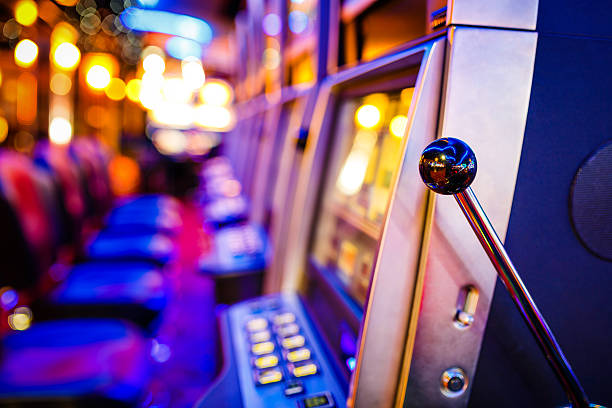
Bright lights, vivid colors, and captivating sounds work together to create an atmosphere that heightens players’ emotions and senses. This sensory overload stimulates the brain’s reward system, making gambling not just a game of chance but an exhilarating experience. The sound of coins clinking and the celebratory jingles of winning reinforce positive feelings, making players more likely to continue their gaming adventure and ignore any prior losses. Such environmental design extends beyond mere aesthetics; it capitalizes on psychological principles that drive player engagement and retention.
Furthermore, casinos often utilize specific scents to enhance the overall experience, known as scent marketing. The smell of fresh popcorn or baked goods can create a comforting atmosphere that encourages players to associate positive emotions with their time spent gaming. This careful choreography of design elements effectively shapes player behavior, drawing them deeper into the casino’s captivating world. By leveraging sensory stimuli, casinos can create a unique psychological landscape that keeps players returning, often leading them to overlook the time and money spent in pursuit of enjoyment.
Incentives and Rewards Systems
Many casinos implement loyalty programs designed to keep players engaged and incentivize their return. These programs often reward players with points for every dollar spent, allowing them to earn free play, meals, or hotel stays. The allure of these rewards can significantly influence player decisions, as individuals feel they are gaining extra value from their gambling experience. This sense of reward can lead to increased spending, as players chase after the next level of benefits. The psychology behind this is rooted in the concept of variable rewards, which can make the experience even more enticing and addictive.
Additionally, instant gratification plays a substantial role in casino incentives. Promotions that offer immediate bonuses or free spins can entice players to spend more of their time and money at the casino. The psychological impact of receiving instant rewards fosters a behavior pattern where players continually seek out opportunities to gamble, often ignoring the financial implications. This behavior can lead to a cycle of increased gambling to chase losses or to take advantage of promotional offers, highlighting the fine line between entertainment and compulsion.
Casinos are also increasingly using technology to tailor rewards to individual players. By tracking player behavior through card usage and online accounts, casinos can provide personalized offers that align with a player’s specific interests and spending habits. This bespoke approach not only heightens the gambling experience but also solidifies player loyalty, as members feel recognized and valued by the casino, further influencing their behavior and decisions. The integration of technology in reward systems signifies a shift towards understanding players on a deeper level, enhancing their overall experience while driving profitability for the casino.
Social Influences and Peer Dynamics
Human beings are inherently social creatures, and the social dynamics within casinos can greatly affect player behavior. Many people choose to gamble in groups, which can amplify the excitement and enjoyment of the experience. The presence of friends and the communal atmosphere can encourage individuals to take greater risks or spend more money than they originally planned. This peer pressure influences players to follow the crowd and engage in higher stakes games, often leading to impulsive decisions. The thrill of social interaction in such an environment can create a sense of camaraderie that enhances the overall appeal of gambling.
Moreover, the social aspect of casinos is often enhanced through games that require multiple players, such as poker or blackjack. These games facilitate interaction and competition among players, further intensifying the experience. The thrill of competing against one another can lead to heightened emotions, causing players to make decisions based on their social interactions rather than purely on strategic thinking or financial limits. These emotional highs can cloud judgment and lead to riskier behavior, particularly when players find themselves caught up in a moment of excitement within a lively group setting.
Additionally, the various promotional events hosted by casinos—such as tournaments or themed nights—are designed to foster community and camaraderie among players. They create opportunities for players to build relationships and share experiences, reinforcing their commitment to the casino. This social environment can act as a powerful motivator, drawing players back repeatedly and influencing their gambling habits in favor of keeping the fun alive in a communal setting. The connection built through shared experiences can lead to a loyalty that extends beyond mere gaming, making the casino a preferred destination for social gatherings.
Behavioral Economics and Risk Assessment
The principles of behavioral economics provide insight into how casinos influence player behavior, particularly regarding risk assessment and decision-making. Players often exhibit cognitive biases, such as the illusion of control, where they believe they can affect the outcome of a game, leading them to take more risks than they should. Casinos leverage this by creating games that seem to offer opportunities for skillful play, even when the odds are purely based on chance. This manipulation of perception can significantly affect how players engage with various games, often leading them to wager more than they had initially intended.
Furthermore, the concept of loss aversion—a principle where individuals prefer to avoid losses rather than acquire equivalent gains—plays a significant role in gambling behavior. Casinos often structure games with enticing jackpots that loom larger in players’ minds, motivating them to gamble more to avoid the perceived loss of missing out on a potential win. This psychological tactic can lead players to make decisions based on emotion rather than logic, driving higher levels of play. The understanding of these emotional triggers is crucial for casinos as they develop strategies to maximize player engagement and profitability.
Additionally, the framing of betting options can significantly affect player choices. For example, a player may be more likely to take a risk if they perceive their situation as a potential gain rather than considering it as a loss of their initial stake. Casinos often frame games and promotions to highlight potential wins, encouraging players to engage in riskier behavior and overlook the actual odds of winning. This careful framing of information is a powerful tool that influences how decisions are made within the casino environment, often resulting in increased betting and participation.
Your Ultimate Resource for Understanding Casinos
For those seeking to delve deeper into the intricate world of casinos and their influence on player behavior, there are extensive resources available. Whether you’re a casual player or serious about understanding gambling dynamics, our website offers a wealth of information. From expert insights to detailed analyses, you can explore how casinos operate and the psychological tactics they employ to engage players and shape decisions. We aim to provide a comprehensive overview of the many factors that contribute to the gambling experience.
Additionally, we provide guides on responsible gambling and strategies to maintain control over your gaming experience. Understanding the factors that influence your behavior can help you make informed choices and enjoy your time at casinos without falling into common pitfalls. Our aim is to equip players with the knowledge they need to navigate the world of gambling safely and responsibly. By educating yourself, you can enhance your enjoyment while minimizing risks associated with gambling.
Join us as we explore the fascinating interplay of design, psychology, and behavior in the casino landscape. Your journey into understanding how casinos influence player decisions starts here, and we are committed to providing you with the tools to make the most of your gaming experience. Discover how to play smartly and enjoyably, all while being informed about the influences at play. Our goal is to empower you with knowledge, ensuring your gambling experiences are both enjoyable and responsible.
Comentários